Artificial intelligence in packaging compatibility testing - faster development of new products
Launching new products on the market involves not only creativity and innovative ideas, but also lengthy testing that determines the safety and quality of the final product. One of the key steps is to check the stability and compatibility of the product with the packaging. In the aerosol industry, where a small defect can mean a risk of leakage or loss of tightness, such tests are absolutely essential.
Traditionally, these tests can take months, significantly increasing the time to market and raising costs. This is where artificial intelligence and machine learning come into play to significantly shorten the entire process.
Why is packaging compatibility so important?
Packaging does not only have an aesthetic or marketing function - it is also a protective barrier that protects the product from external factors and chemical reactions. In the case of aerosols, metal corrosion, the detachment of protective coatings or the migration of product components into the packaging material can be a problem. Such phenomena lead to a decrease in quality, shortened shelf life and sometimes even a real danger to the consumer and the environment.
How does artificial intelligence help?
Research shows that machine learning-based methods can effectively predict the risk of product-packaging incompatibility. Algorithms analyze historical data from hundreds of previous tests and can recognize patterns that would be impossible to pick up with the "naked eye." With this:
- the number of prototypes requiring full testing can be reduced,
- The decision-making process for choosing packaging is faster and more accurate,
- New product development costs are reduced,
- the chance that the product will reach the market faster increases.
Of the methods analyzed, the best results were obtained by neural networks, which in tests achieved more than 90% accuracy in predicting product-packaging compatibility.
New era of product development
The implementation of artificial intelligence into R&D processes fits perfectly with the concept of Industry 4.0, where digitization, automation and intelligent data management are key. The use of algorithms does not eliminate the role of technologists, but supports their knowledge and experience, allowing them to make decisions based on hard data.
This allows companies to not only accelerate innovation, but also improve the safety and reliability of their products.
Based on the article "Machine learning approach to packaging compatibility testing in new product development" by Norbert Piotrowski- Director of RD Department at Aerosol Service.
See other news
See other articles
Read on our blog

Customer expectations vs. production capabilities. How to strike a balance? An interview with Szymon Kobusiński, Customer Service and Production Planning Manager at Aerosol Service
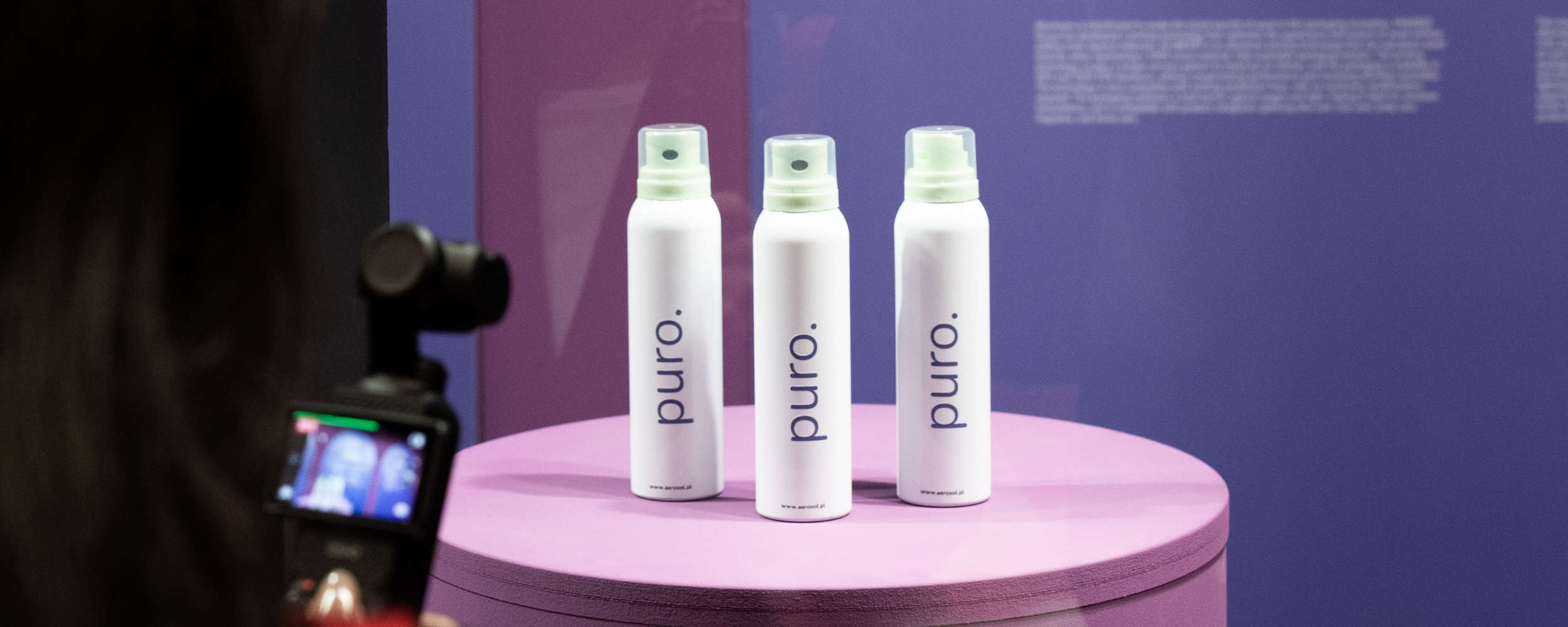
PURO in the finals of the Cosmopack Awards 2026 – the Aerosol Service innovation recognized on the international stage