Digitalization, automation and care for people are the pillars of our strategy for the coming years.
The year 2024 was a time of intensive changes in onboarding processes for the HR department. What were the most important steps you took?
2024 has brought us many changes and improvements. In July, we participated in a training course led by Maja Gojtkowska, which allowed us to look at onboarding in a new way - from the first contact with a candidate to implementing him or her into the company's structures. We built the entire process from scratch, involving both the HR department and employees from the production area. We wanted to improve the candidate experience, so we maintain constant contact with the candidate from the moment the job offer is accepted, until the first day at the company. We opted for the so-called "first day experience." New employees receive a comprehensive introduction - starting with familiarization with the organizational culture, a tour of the plant and integration with the team. We want to make the first days at work as stress-free as possible. We give new employees time to acclimatize. We're happy because we're seeing very positive results - the turnover rate during the trial period has dropped to practically zero.
What are your plans for process improvements for 2025?
We are focusing on digitizing and automating the recruitment process. We are currently in the process of selecting a provider of Applicant Tracking System (ATS), which will streamline the process from the publication of an announcement to the signing of a contract. This will allow us to speed up operations, minimize errors and improve the candidate experience. What's more, ATS fits perfectly into our strategy of automating processes across the company.
Automation of HR processes is a trend you have been implementing for some time. What solutions have you already implemented?
In 2024, we introduced HRM, or the Employee Dashboard system. This allows employees to submit electronic vacation requests, access payroll information and other employment-related documents. This not only saves time and eliminates paper documentation, but is also a step towards greener and more modern solutions. Among employees, we see a positive reception to the introduction of this tool. Those employed by us are now up to date and have access to the database.
What strategies do you use to attract new candidates?
In addition to traditional recruitment methods, we have also started using direct search. This allows us to reach passive candidates who were previously unaware of our brand. They make up as much as 70% of the labor market, so we want to take advantage of this potential. This activity also supports our employer branding strategy - we are building brand recognition and increasing its reach, which has already started to bring tangible benefits.
In conclusion, it is clear that your department is strongly focused on development. What are your most important goals for the future?
We want to continue to streamline HR processes, invest in modern technologies, and care about the experience of both candidates and employees. Digitization, automation and caring for people are the pillars of our strategy for the next few years.
See other news
See other articles
Read on our blog

Aerosol Service is ISO 14001:2015 certified – a testament to the highest standards of environmental management
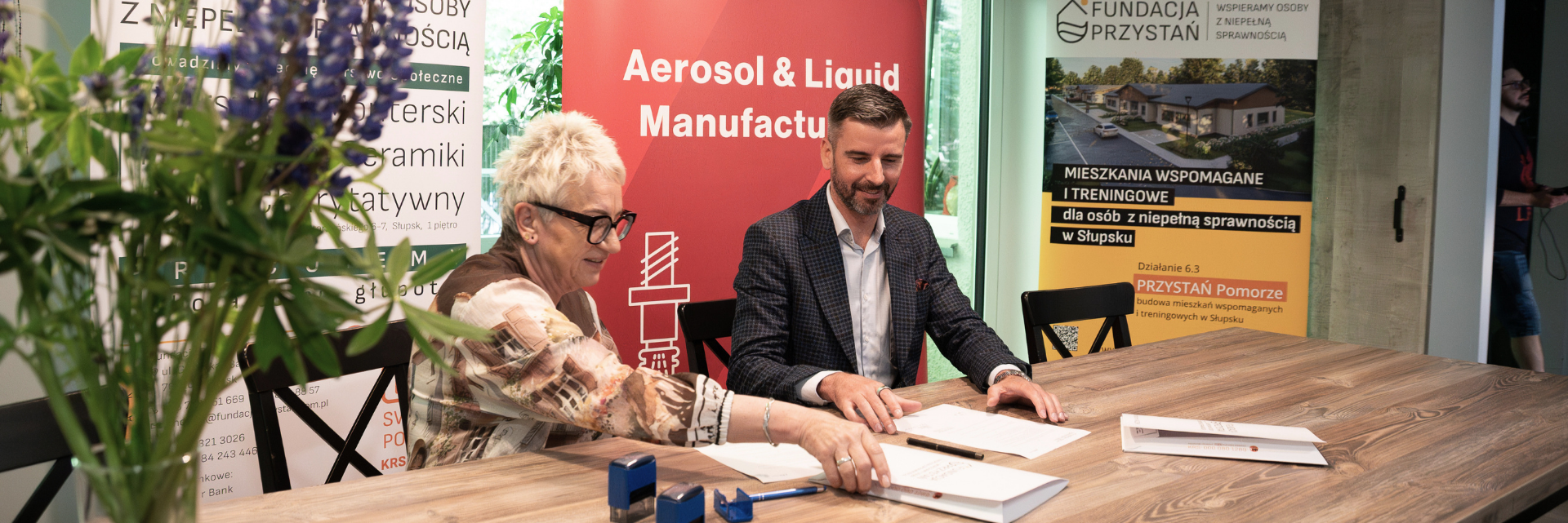
Aerosol Service is a Patron of the Przystań Foundation